
Staying Active in Downtown Indianapolis: Running Routes and the Canal Walk
Want to move more downtown? Here’s how to use the Canal Walk and nearby paths for easy walks, beginner runs, and longer routes, with simple seasonal and safety tips.
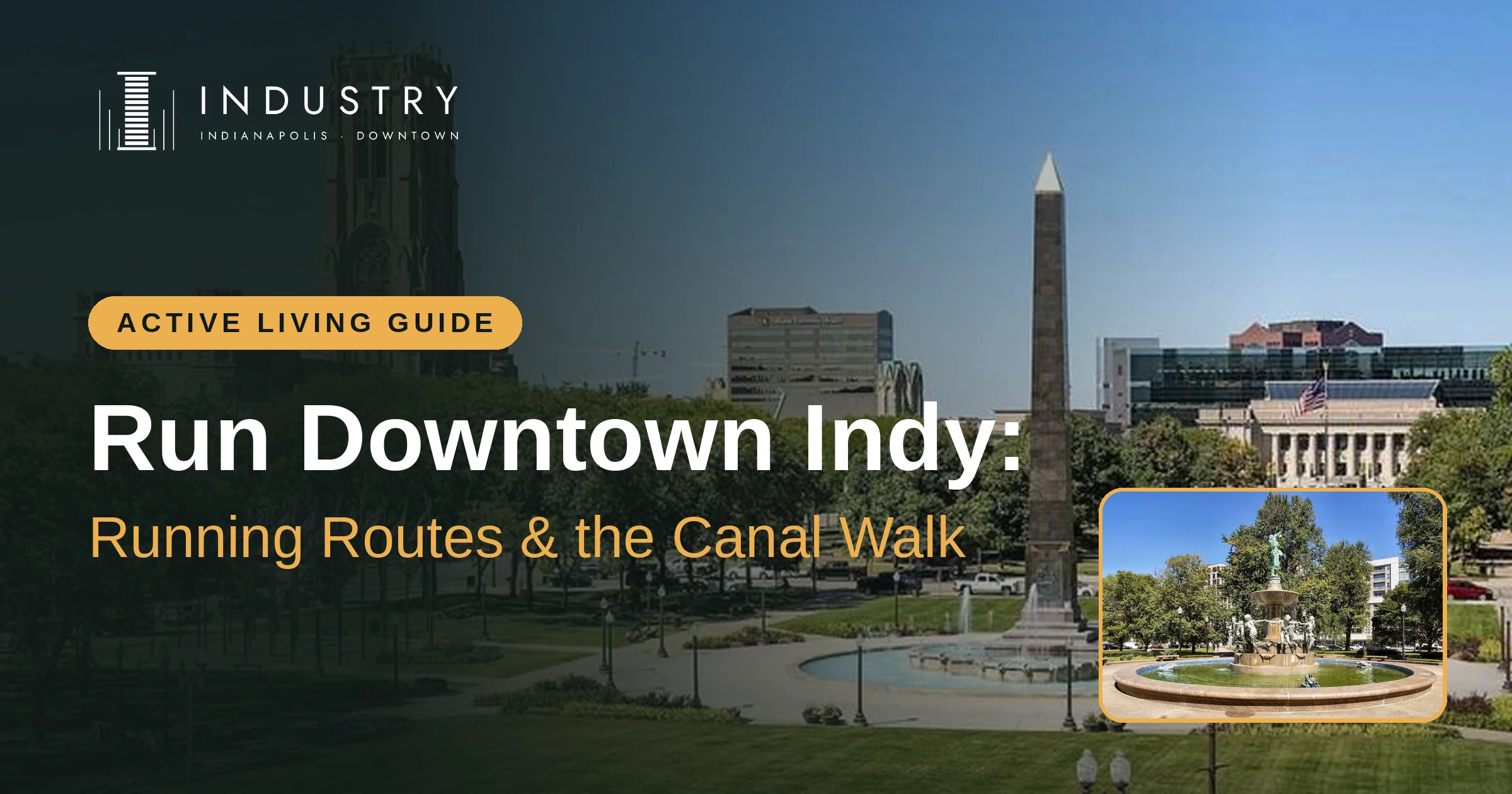
How Can You Stay Active in Downtown Indianapolis?
You can stay active in downtown Indianapolis by walking or jogging the Canal Walk Indianapolis, running on connected paved paths, and using nearby parks and open spaces. The area is mostly flat and easy to reach on foot, so it suits beginners and regular runners alike. This guide covers the Canal Walk, routes for different levels, route planning, seasonal tips, and path safety.
Key takeaways
- The Canal Walk is a flat, paved path along the water, good for walking and easy jogging.
- New walkers and runners can start with a short section and add distance a little at a time.
- The canal connects to the Cultural Trail and White River State Park for longer routes.
- Run-walk intervals are a simple way for beginners to build stamina.
- Early mornings are often quieter, and layered clothing helps you stay comfortable in cold weather.
- On shared paths, keep right, call out before passing, and use lights after dark.
What to Expect on the Canal Walk Indianapolis
The Canal Walk follows the historic Central Canal through the western part of downtown. Paved paths run along both sides of the water, with bridges crossing overhead at street level.
The ground is flat, so it feels easy on your legs. Because the path sits close to the water, below the streets, you can skip many busy road crossings.
Along the way you will pass museums, memorials, public art, and plenty of benches. At its southern end, the canal leads into White River State Park, with open lawns and more paths to explore.
The path is shared by walkers, joggers, families, and visitors. On warm, sunny days it can get crowded, so expect to slow down at times.
Walking the Canal for Easy Exercise
Walking is the simplest way to use the canal. You need no special gear, and you can go at whatever pace feels right.
Casual and Brisk Walks
A casual walk is a good place to start. Pick a section, stroll at an easy pace, and turn back when you feel ready.
When that feels comfortable, try a brisk walk. Move fast enough that you breathe a little harder but can still talk. Mixing short brisk stretches with easy ones is a gentle way to build fitness.
Walk-and-Talk and Getting Back Into Exercise
The canal works well for a walk-and-talk with a friend, family member, or coworker. For a change of scene, you can follow the Cultural Trail east to Mass Ave. Our Mass Ave neighborhood guide covers what you will find there.
If you are new to exercise or coming back after a long break, keep things short and slow at first. Flat ground, benches, and easy turnaround points make the canal one of the friendlier walking paths in Indianapolis for getting started. If you have a health condition, talk to your doctor before starting.
Running Routes for Every Level
The canal is one of the easier places to run in Indianapolis, whether you use it on its own or link it to other paved paths.
Short Beginner Loops
For beginner running routes, start with one stretch of the canal. Run out along one bank, cross a bridge, and come back on the other side. This makes a short loop with no car traffic and plenty of places to pause.
Moderate Routes
Once short loops feel easy, run the full length of the canal and back. You can also add a lap on the White River State Park trails, which sit right at the canal’s southern end.
Longer Routes Beyond the Canal
The canal connects with the Indianapolis Cultural Trail in more than one spot. From there, you can follow the trail through other downtown districts and loop back to the water.
For an even longer run, the Cultural Trail meets the Monon Trail near the northeast edge of downtown, and it links to the White River trails near the state park. These connections give regular runners plenty of choices without leaving paved paths.
How to Plan Your Route
A little planning makes each outing safer and more enjoyable. Keep these steps in mind:
Start small. Choose a distance you know you can finish comfortably. You can always go farther next time.
Try run-walk intervals. Run for a short time, then walk until your breathing settles. Repeat. Over the weeks, make the running parts a little longer.
Add distance slowly. Increase your total time or distance a bit each week instead of making big jumps.
Pick a clear start point. A bridge, museum entrance, or set of stairs makes an easy landmark for starting and finishing.
Plan a safe return. Out-and-back routes are simple because you always know the way home. Turn around while you still have energy left.
Planning works best when you know the area. Our guide to getting around downtown on foot explains how walkable streets and the Cultural Trail connect different parts of the city center.
Best Times and Seasonal Tips
The experience changes with the time of day and the weather.
Choosing Your Time of Day
Early mornings are often the quietest time on the path. Evenings are popular, especially in warm weather. Weekends and large events bring more people downtown, so expect crowds near the park and museums.
Our post on downtown event season explains how big games and conventions affect the area. Before you head out, check local sources for current path conditions, closures, and event schedules.
Weather and What to Wear
Hot days: Go early or late, when it is cooler. Wear light, breathable clothes, a hat, and sunscreen. Drink water before and after you go.
Cold days: Dress in thin layers you can remove as you warm up. Gloves and a hat help a lot. Wear shoes with good grip.
Rain: A light, water-resistant jacket keeps you comfortable. Slow down on wet pavement, bridges, and stairs.
Snow and ice: Watch for slick spots, especially near steps and ramps. Shorten your stride, or walk instead of run.
Daylight matters too. In winter, it gets dark early, so wear bright or reflective clothing for after-work outings. For more on the cold months, see these downtown winter safety tips.
Safety and Etiquette on Shared Paths
Shared paths work best when everyone looks out for each other. A few simple habits help:
Stay aware. Look ahead, and glance behind before you stop or turn.
Keep right. Leave room on the left for people who want to pass.
Call out before passing. A friendly “on your left” lets people know you are coming.
Keep headphones low. Use one earbud or a low volume so you can hear bikes and people around you.
Use lights at night. A headlamp or clip-on light helps you see and be seen.
Walk in groups after dark. There is more safety in numbers, especially on quieter stretches.
Give space near the water. Pass wide, and never crowd others toward the edge.
Simple Ways to Stay Consistent
The best route is the one you keep using. These habits help walking and running become a normal part of your week:
Set a weekly schedule. Pick days and times, and treat them like appointments.
Find a partner. A walking or running buddy makes it harder to skip and easier to enjoy.
Track your progress. A notebook or phone app can log your time, distance, and how you felt.
Take rest days. Rest gives your body time to recover. If something hurts, ease off and listen to your body.
Mix it up. Change direction, try a new section, or add a different path to keep things fresh.
If you want more variety, simple outdoor workouts in a nearby park can round out your routine.
Conclusion
The Canal Walk gives downtown Indianapolis a flat, paved, and easy place to move. Start with short walks, try run-walk intervals, and add distance slowly. Link the canal to the Cultural Trail and White River State Park when you want longer routes. Dress for the weather, follow shared-path etiquette, and keep a steady weekly routine. Small, regular steps add up over time.
Frequently asked questions
Is the Canal Walk free to use?
Yes. The Canal Walk is a public path, so you can walk, jog, or run there without paying. Some nearby attractions, such as museums, may charge admission, and seasonal rentals on the water may have fees. Parking nearby may also cost money, so check details before you drive.
How long does it take to walk the Canal Walk Indianapolis?
It depends on your pace and how much of the path you cover. A short out-and-back on one section can fit into a lunch break. Walking the whole canal at a relaxed pace takes longer, especially if you stop to sit or look around. Start with what feels comfortable.
How do I get to the Canal Walk from other parts of downtown?
If you are already downtown, walking there is usually simplest, and stairs and ramps lead down to the path from several streets. From farther away, public transit, a bike, or a car with nearby parking can get you close. Check a map for the entry point nearest you.
What should I carry on a walk or run?
Keep it simple. Carry your phone, a form of ID, and your keys. On warm days or longer outings, bring water. A small waist pack or a jacket with zip pockets keeps your hands free. Let someone know your route if you are heading out alone.
Should I warm up before walking or running?
Yes, a short warm-up helps your body get ready. Start with a few minutes of easy walking, then add gentle movements like arm circles and leg swings. Begin your run slowly and build up your pace. After you finish, walk for a few minutes to cool down.
Is the Canal Walk good for kids and families?
Yes, the flat, paved path makes it easy for families to walk together, and strollers can usually manage the level sections. Look for ramp access points if you are pushing a stroller. Keep young children close, since the path runs right beside the water. Benches and nearby green spaces offer good spots for breaks.