
Living in Indianapolis: Mile Square vs. Fountain Square vs. Broad Ripple
Not sure where to live in Indianapolis? Here is a simple comparison of Mile Square, Fountain Square, and Broad Ripple, so you can pick the area that fits your routine.
How Do You Choose Between Mile Square, Fountain Square, and Broad Ripple?
The right choice depends on your daily routine, budget, commute, and the kind of atmosphere you want. Each of these three Indianapolis neighborhoods has its own feel, from a busy downtown core to an arts district to a village-style area. Comparing them by lifestyle, getting around, food and entertainment, and housing style makes the decision easier. This guide covers each point and how to test an area in person.
Key takeaways
- Mile Square is the downtown core, with offices, museums, and venues packed into a compact, walkable grid.
- Fountain Square is an arts and entertainment district about 1.5 miles southeast of downtown, known for local food and music.
- Broad Ripple is a village-style area about 6.5 miles north of downtown, on the Monon Trail.
- IndyGo's Red Line bus rapid transit connects all three areas, and trails link Fountain Square and Broad Ripple to downtown for walking and biking.
- Rank your priorities, walk through a normal week, and visit at different times of day before you decide.
A Quick Overview of the Three Areas
Each of these three areas has a clear identity. Here is where each one sits and what it is known for.
Mile Square
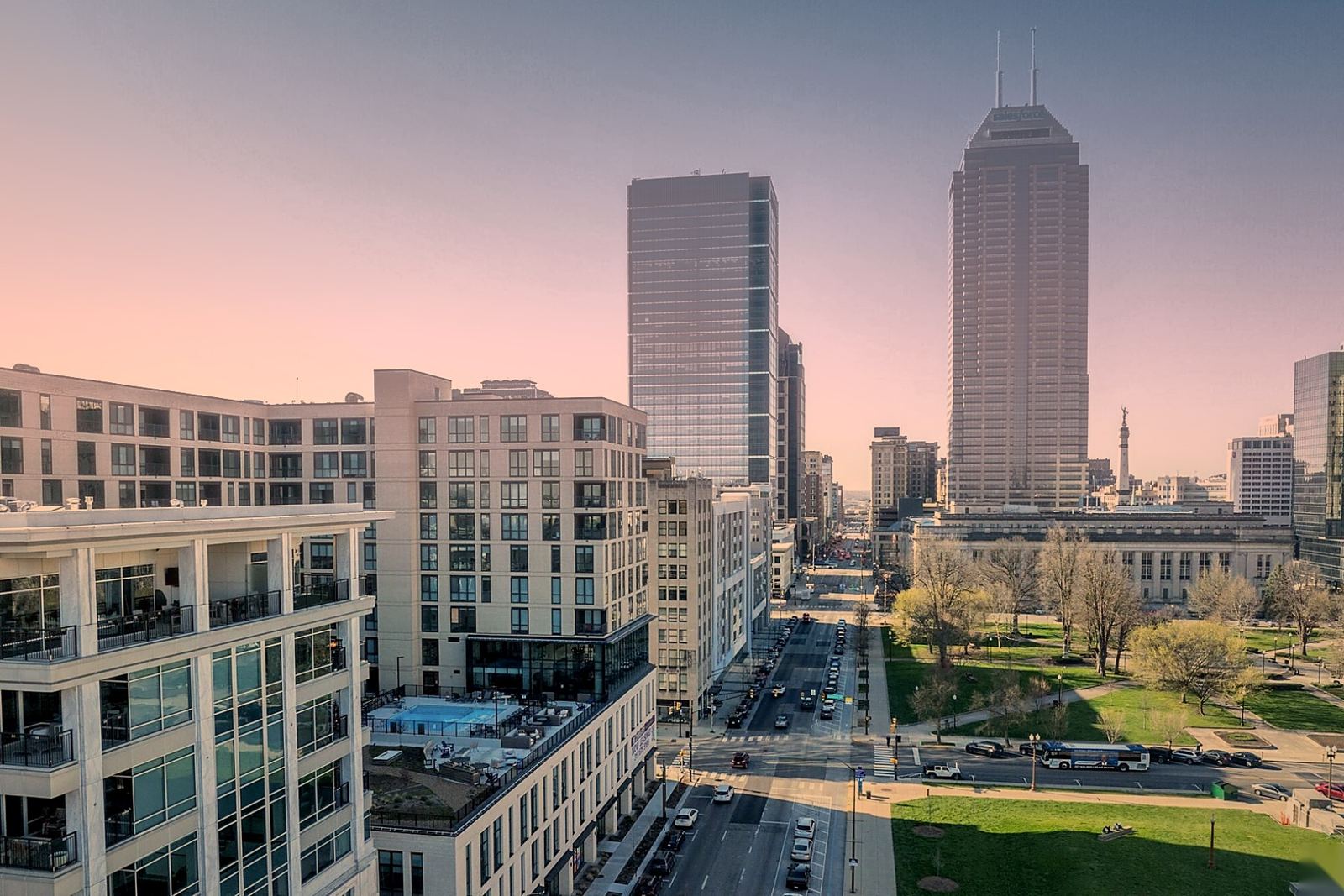
Mile Square is the downtown core of Indianapolis. It is the city's original square-mile grid, with Monument Circle near its center. It holds many offices, government buildings, museums, hotels, and sports and convention venues. You can learn more about this part of town on our downtown neighborhood page.
Fountain Square
Fountain Square sits about 1.5 miles southeast of downtown. It is known as an arts and entertainment district, with music venues, galleries, and local places to eat and drink.
Broad Ripple
Broad Ripple is about 6.5 miles north of downtown. It has a village-style layout, sits on the Monon Trail, and is known for small shops, restaurants, and nightlife along its main streets.
Mile Square | Fountain Square | Broad Ripple | |
Location | Downtown core | About 1.5 miles southeast of downtown | About 6.5 miles north of downtown |
Overall feel | Busy, city pace | Creative and casual | Village feel, easygoing by day |
Getting around | Most walkable; Red Line and other bus routes; garage and metered parking | Walkable core; Red Line; Cultural Trail to downtown | Walkable main streets; Red Line; Monon Trail |
Evenings | Restaurants, theaters, sports, and live music | Local bars, music venues, and art spaces | Lively main strip, quieter side streets |
Housing | Mid-rise and high-rise apartments and condos | Older homes, small apartment buildings, mixed-use | Older houses, duplexes, and apartment complexes |
May suit | Downtown-centered routines | Art, music, and local food fans | People who prioritize outdoor time |
What Daily Life Feels Like in Each Area
Daily life in Mile Square
Downtown moves at a city pace. Weekdays bring office workers, traffic, and delivery trucks, and you will hear more street noise here than in the other two areas, from buses, sirens, and crowds. Because so much is close by, many errands can happen on foot, so days often feel efficient but busy.
Daily life in Fountain Square
Fountain Square tends to feel more relaxed during the day. The main streets get louder in the evening when people head out for food and music. A block or two away, the residential streets are often calmer. The overall mood is creative and casual.
Daily life in Broad Ripple
Broad Ripple has a small-town feel inside a big city. Mornings and afternoons are often easygoing, with people out walking or on bikes. Evenings near the main strip can be lively and loud, especially on weekends, while side streets usually feel more like a quiet residential area.
Getting Around Each Area
Mile Square
If you want one of the walkable neighborhoods in Indianapolis, Mile Square is the most compact of these three. Bus routes run through downtown, and biking is common.
Parking is mostly in garages, lots, and metered spaces, so it often costs extra. For more detail, see our guide to going car-free downtown.
Fountain Square
Fountain Square's core is easy to walk, and downtown is a short bike ride or drive away. Many residents still keep a car for groceries and trips across town.
Street parking is common, but it can fill up near the busiest blocks at night.
Broad Ripple
Broad Ripple's main streets are easy to explore on foot. The Monon Trail makes walking and biking to nearby areas simple.
Trips downtown usually mean driving or taking a bus, since it is farther out. Parking near the main strip can be harder to find on busy evenings.
Food, Entertainment, and Things to Do
Mile Square
Downtown has a wide spread of restaurants, from quick lunch spots to sit-down dinners. You can find museums, theaters, live music, and major sports venues in or near the grid.
Our resident's guide to Mass Ave covers one nearby stretch in more detail.
Fountain Square
Fountain Square leans toward local and independent places. Expect small restaurants, bars, art spaces, and music venues.
Nights out here tend to feel low-key and personal rather than big and polished.
Broad Ripple
Broad Ripple mixes casual restaurants, bars, coffee shops, and small stores. Outdoor time is a big part of things to do here, thanks to the Monon Trail.
Housing Styles You May Find
Mile Square
Housing downtown is mostly apartments and condos in mid-rise and high-rise buildings. Some are new construction, and others are older buildings that were converted.
Many buildings include shared amenities. You can see an example of downtown layouts on our apartment floor plans page.
Fountain Square
Fountain Square has a mix of older single-family homes, small apartment buildings, and newer mixed-use buildings with homes above shops. Older homes may have more character but different upkeep needs.
Broad Ripple
Broad Ripple offers older houses, duplexes, apartment complexes, and some newer buildings near the main streets. Housing tends to feel more spread out than downtown.
How to Compare These Indianapolis Neighborhoods Side by Side
Start with your priorities, not the neighborhood names. Write down the three things that matter most to you, then rank them.
Next, walk through a normal week:
Where do you go every weekday, and how will you get there?
What do you do most evenings and weekends?
Do you want quiet at home or activity outside your door?
Then look at the budget as a full monthly number. Compare what is included in rent, ask about fees, and think about parking and transport costs. Our post on costs beyond monthly rent shows what to ask about.
Finally, test your commute at the time you would actually travel.
Who Each Area May Suit
Mile Square may suit people whose schedules center on downtown, whether that is work, classes, or appointments. It also fits people who like to make plans on short notice and want many options close by.
Fountain Square may suit people whose hobbies lean toward art, music, and local food. It can work well if you want to be near downtown but prefer a smaller, neighborhood setting for your free time.
Broad Ripple may suit people who put outdoor time high on their list, such as walking, running, or biking on a trail. It also fits people who like a village setting and do not mind a longer trip to the city center.
How to Test an Area Before You Decide
A short visit rarely shows the full picture. Try these steps:
Visit on a weekday morning, a weekday evening, and a weekend.
Walk a few blocks in each direction from the address you are considering.
Check parking or transit at the times you would use it.
Find the nearest grocery store and pharmacy.
Talk to people who live or work nearby, and ask what they like and what they would change.
Listen for noise from inside the home, with windows open and closed.
Common Mistakes When Choosing a Neighborhood
Watch for these common slips:
Choosing on looks alone. A street can look great but not fit your routine.
Judging from one visit. One quiet afternoon does not tell you what nights are like.
Ignoring total costs. Parking, transport, and fees add up.
Relying only on rankings. Online lists of top neighborhoods can help you start, but they do not know your schedule.
Skipping the commute test. A route that looks short on paper may feel different at rush hour.
These mistakes apply anywhere in the city, not just in these three areas.
Final Thoughts
Mile Square, Fountain Square, and Broad Ripple each offer a different way to live in Indianapolis. Downtown brings a busy, compact city life. Fountain Square leans creative and local. Broad Ripple offers a village feel with easy trail access. Rank your priorities, test your routine in person, and pick the area that fits how you actually spend your days.
If Mile Square fits your routine, Industry Indianapolis puts you in the middle of downtown, about two blocks from Mass Ave, with a rooftop pool, 24/7 fitness, and a co-working lounge. Browse our floor plans or schedule a tour.
Frequently asked questions
How can a map help you compare these three areas?
A map shows how each area connects to the places you visit most. Pull up a map and mark your work, gym, grocery store, and friends' homes, then see which area sits closest to the most pins. It also helps you spot the rivers, highways, and trails that shape your routes.
Can you get between these areas without a car?
Yes. IndyGo's Red Line runs from Broad Ripple through downtown to Fountain Square. For walking and biking, the Cultural Trail links downtown and Fountain Square, and the Monon Trail connects Broad Ripple to the Cultural Trail. Check IndyGo's website for current schedules before you plan a commute around it.
Where can you find current local information about an area?
Start with the city's official website for updates on roads, trash pickup, and local projects. Neighborhood associations often share news and meeting dates. Local news outlets and community social media groups show what residents are talking about right now. Leasing offices and local business owners can also answer area-specific questions.
Do seasons or big events change how an area feels?
Yes, they can. Warm months often bring more people outdoors, on patios, and on trails, while winter can feel quieter. Large events can add crowds, traffic, and road closures for a day or a weekend. If you can, visit once in a busy season and once in a quiet one before deciding.
What can you do if you and someone else want different areas
Have each person list their top three must-haves and their deal-breakers. Look for overlap first, since you may agree on more than you think. Then consider trade-offs, such as a shorter commute for one person and better trail access for the other. Visiting the top choices together can make the conversation easier.
What if the first neighborhood you pick does not feel right later?
That happens, and it is not a failure. Before signing, ask about lease lengths and what happens if you need to leave early. Once you live there, give it a few months to settle into a routine. If it still does not fit, use what you learned to guide your next choice.